
San Diego Whale Watching: The Complete Experience Guide
Everything You Need to Know About Seeing Whales in San Diego
San Diego whale watching is year-round, but peak gray whale season runs December through April when 20,000+ whales migrate between Alaska and Baja California. You'll find sighting rates exceeding 90% during January-February with guided tours ranging from $35-$325, free shore viewing at Cabrillo Monument and Torrey Pines, and dolphins visible every month of the year.
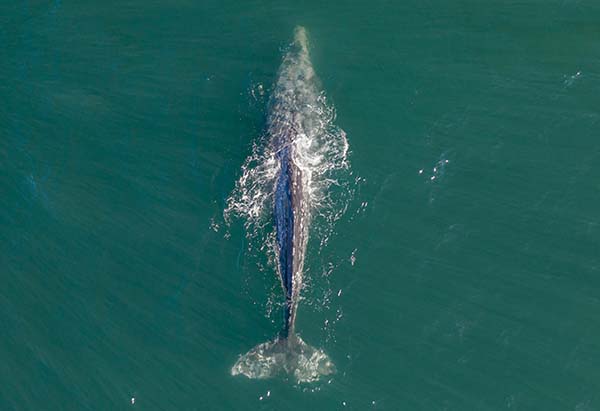
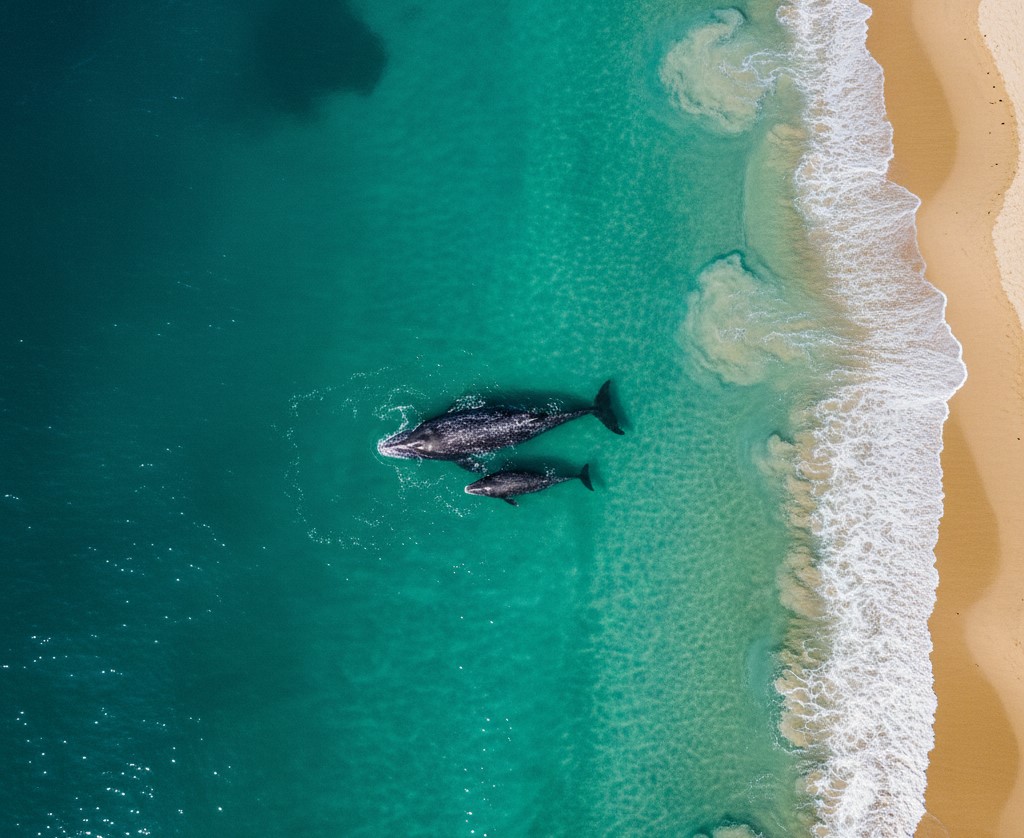
Gray whale spotted during peak migration season off Point Loma
When Whale Season Actually Happens (And Why December Matters)
Okay, so here's the thing about San Diego whale watching season that nobody really talks about until you're standing on a cliff in January feeling completely blown away—it's not just one season. There are actually two whale seasons happening back-to-back, and once you know about them, you can plan the perfect trip.
December hits different. That's when it really starts. I remember my first December whale watching trip—I was honestly skeptical. "Are they really going to be that close to shore?" But driving along Cabrillo, I saw this massive spout shooting up maybe 200 yards out. That was my first gray whale moment. The thing nobody tells you is December is way less crowded than January-February. You get that same "holy shit, there's an actual whale right there" feeling, but you're not elbowing through crowds to get a decent photo.
The gray whales are heading south. These aren't casual swimmers—they're on a mission. Pregnant females are rushing toward Baja California's warm breeding lagoons to give birth. They're tired, focused, and honestly? Kind of grumpy about the whole journey. This 12,000-mile round trip they do every single year? It wrecks them. They don't eat during migration. They're just burning fat reserves and moving.
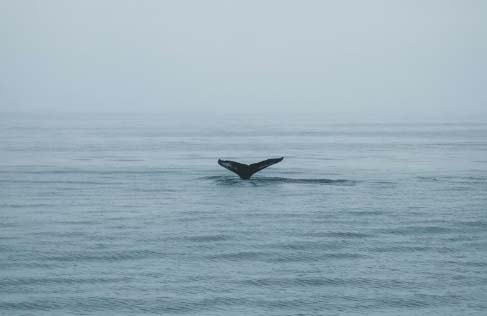
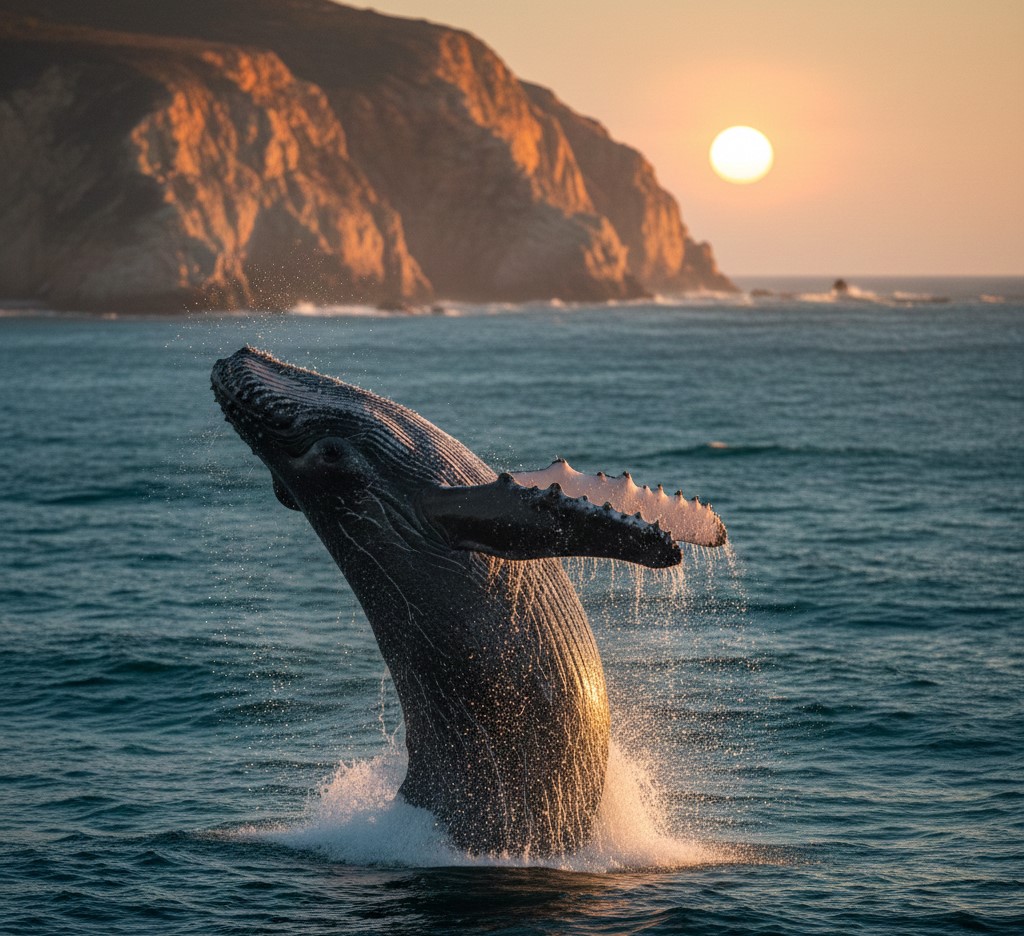
Peak season breaching behavior - January through February
January and February? That's peak season. That's when the numbers spike like crazy. If you go on a boat tour during these months, you're looking at 90%+ sighting success rates. This is the month when mom-and-calf pairs are traveling together, so you get these slower, closer encounters. Watching a baby whale breach next to its mother while you're thirty feet away on a boat... I've seen grown men cry. It's actually insane how emotional it gets.
March and April are sneaky-good. People skip these months thinking "oh, the season's over," but that's wrong. Late-migrating whales and calves are still coming through. The water's calmer. Tour prices drop. You get fewer crowds AND excellent sightings. I've had better encounters in April than I've had in peak January. The difference? Maybe two or three boat-loads of tourists instead of two hundred.
The Summer Blues (Literally—Blue Whales Are Everywhere)
Here's what's wild: just when you think you're done with whales, May rolls around and suddenly the entire ocean changes.
Blue whales. These aren't just bigger whales. They're the biggest animals that have ever existed. Ever. Bigger than dinosaurs. And they show up to San Diego waters like they own the place because, honestly, they kind of do. May through September is their feeding time. They're gorging on krill—these tiny shrimp-like things that swarm in the nutrient-rich cold water.
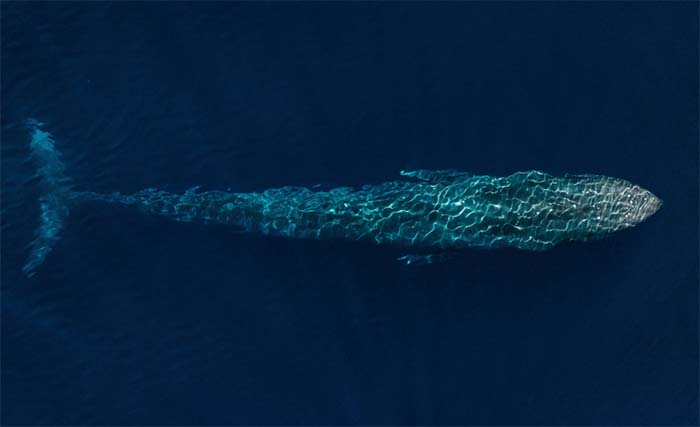
Blue whale feeding season brings the largest animals on Earth to San Diego waters
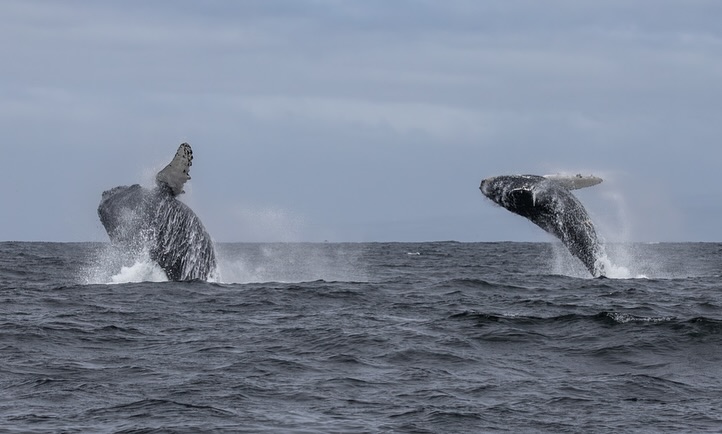
Humpback whales also show up now. Same feeding mission as the blues, different energy. Humpbacks are the performers. They breach. They tail-slap. They put on a show. I've filmed humpback breaches on my phone three times and every video looks like it's fake because no way that massive animal is doing that gymnastics routine above water. But they do.
Getting There: Tours vs. Free Viewing (Honest Talk)
Alright, so you've got options here. And I'm not gonna sugar-coat it—each option has a real tradeoff.
Free Shore Viewing: Best for Budget & Chill Vibes
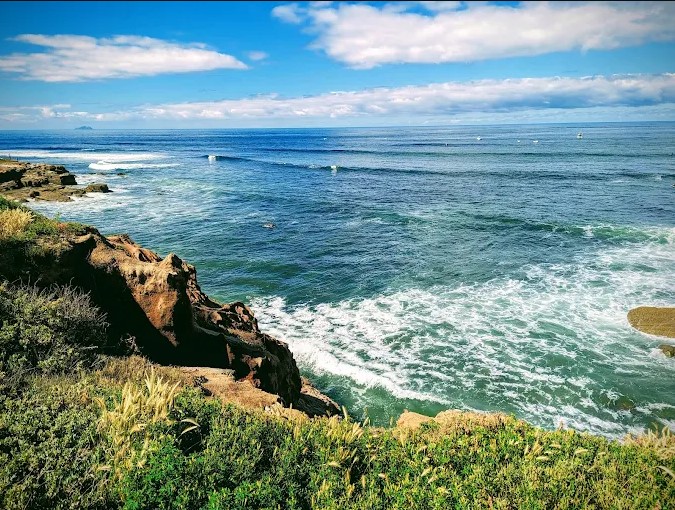
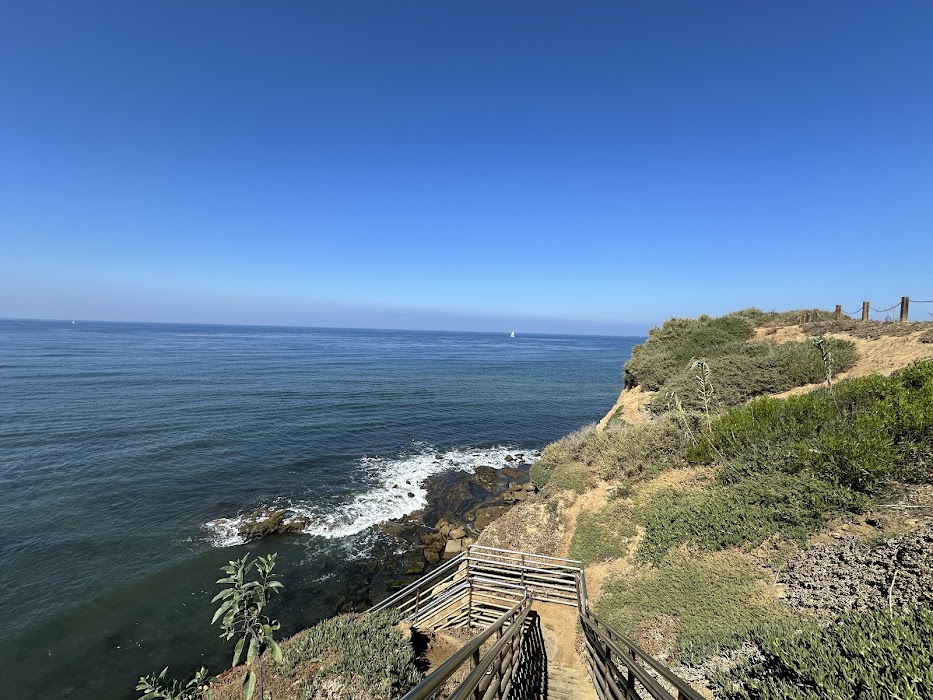
Cabrillo National Monument is the most famous spot. You're on 400-foot cliffs looking directly at the migration route. $20 parking fee, and you're good. The ranger center has exhibits about migration. Binoculars help but aren't required—gray whales literally breach close enough to see without them sometimes.
Reality check: You're not getting close-ups. You're seeing spouts and fluke slaps and the general shape of whales. But there's something pure about it. You're there early morning, coffee in hand, watching nature happen without any boat engine noise or crowds crammed on a deck.
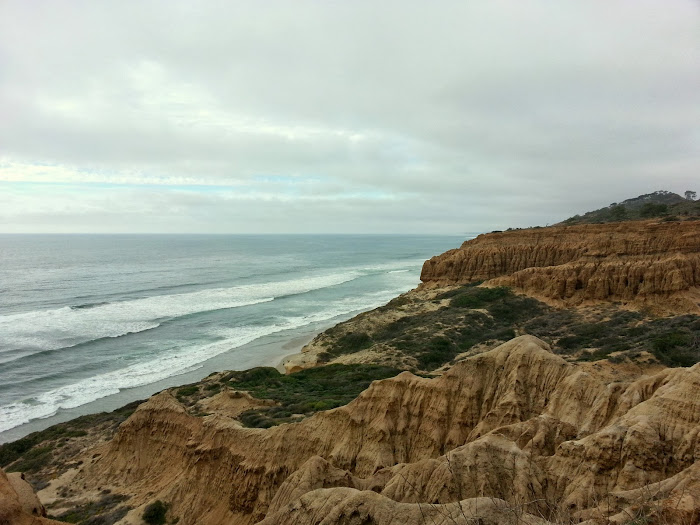
Torrey Pines is less crowded. Free parking if you get lucky (arrive before 9 AM). Three-mile trail with multiple viewpoints. You combine whale watching with actual hiking, which sounds exhausting but honestly makes the experience better. You're moving, you're engaged, you're not just standing in one spot.
Boat Tours: Getting Close to Whales (The Real Experience)
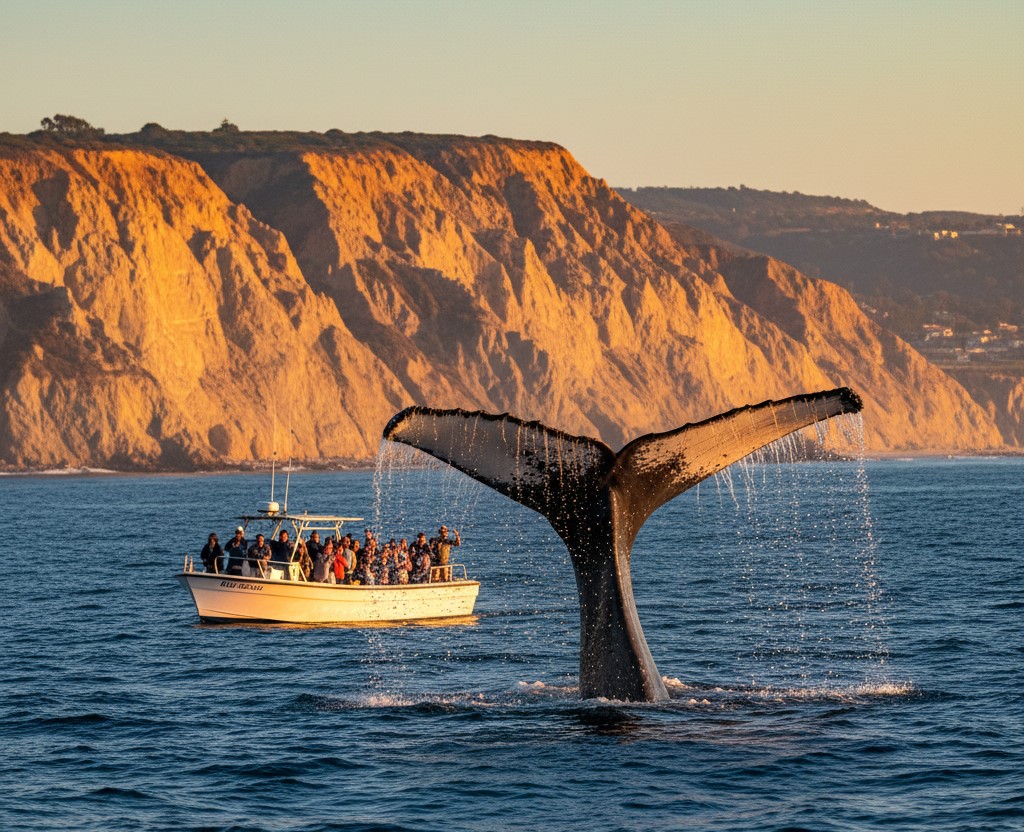
Okay, so boat tours are different. You're in the water with the whales. Not dangerous-close, but there. The boat operators know where to look because they've done this a thousand times. They've got radio contact with other boats. They know which whales are breaching, where the pods are moving.
Boat tours offer close encounters with whales and expert naturalist commentary
Tours run 2-8 hours depending on which whales you're targeting. Gray whale tours (Dec-April) are shorter—2-3 hours usually, $35-$75. You're looking at Flagship Cruises (big boats, family-friendly), San Diego Whale Watch (smaller boats, PhD naturalists), or Gone Whale Watching (high-speed boats, highest sighting rates). Some of these have guarantees. "Come back free if you don't see whales." Gone Whale Watching literally guarantees sightings on extended tours.
Blue whale season tours? Those are longer, $190-$325 per person sometimes. But you're going out 15+ miles to feed zones. You're seeing blue whales, humpbacks, fin whales, sometimes great whites hunting. It's a different level of commitment and a different level of payoff.
The most important thing? Most tours have cetacean experts on board giving real commentary, not generic facts. They'll explain what you're seeing while it happens. "That's a breach—notice she's rolling to the side, probably trying to dislodge parasites." These details change everything.
The Dolphin Thing (Because It's Always Better Than You Think)
San Diego dolphin watching isn't seasonal. It's constant. 100+ pods live here permanently. Common dolphins, bottlenose dolphins—they're always around. Tours advertise "whale and dolphin watching" because honesty, if you don't see whales, at least you'll see dolphins.
But here's what I learned: dolphins are actually way more interactive than whales. They seek out boats. They surf bow waves. They're curious about you the same way you're curious about them.
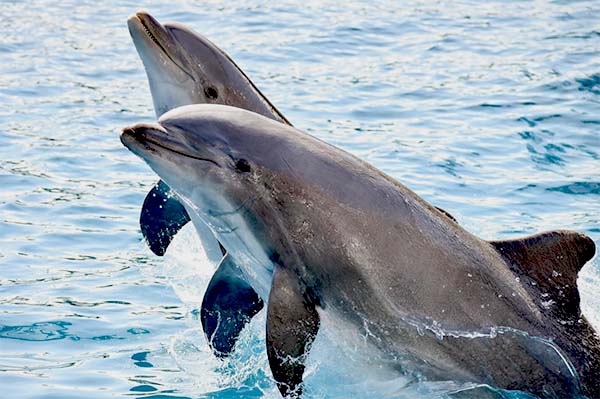
Year-round dolphin encounters with 100+ permanent pods in San Diego waters
On my last tour in March, we didn't see any gray whales in the first hour. But then this pod of like 40 bottlenose dolphins showed up. They're jumping, spinning, racing the boat. A calf swam under our boat and burst out the other side. Some guy on the tour literally gasped and said "okay, I'm never complaining about free tours again."
Holiday Whale Watching & Groupon Reality Check
People always ask about Groupon deals for San Diego whale watching. Yes, they exist. Yes, they're sometimes legit. But here's the catch: you're buying a deal from the discount tour company. That's not necessarily bad, but you're trading price for fewer guides, bigger boats, maybe less ideal schedules.
December whale watching is special though. Holidays + migration season = packed tours. If you're thinking "let's do a festive whale watching tour," book early. Like September-early October early. By November, you're picking scraps.
The Groupon deals that actually work? The ones for May-June blue whale season. Those are less booked. Bigger savings. Better value.
What Actually Happens On a Tour (Setting Expectations)
You board around 7 or 8 AM depending on tide. First 10 minutes, the boat's heading out while someone's doing a safety briefing and pointing out where to get snacks. Water's usually calm in the morning—that matters because rough water = seasickness territory.
Then you wait. That's the part nobody mentions. You're looking. The crew is looking. Everyone's scanning the horizon. Then someone yells "spout!" and suddenly everyone's moving at once. Cameras come out. People grab the railing. If it's a breaching whale, someone always screams. Always.
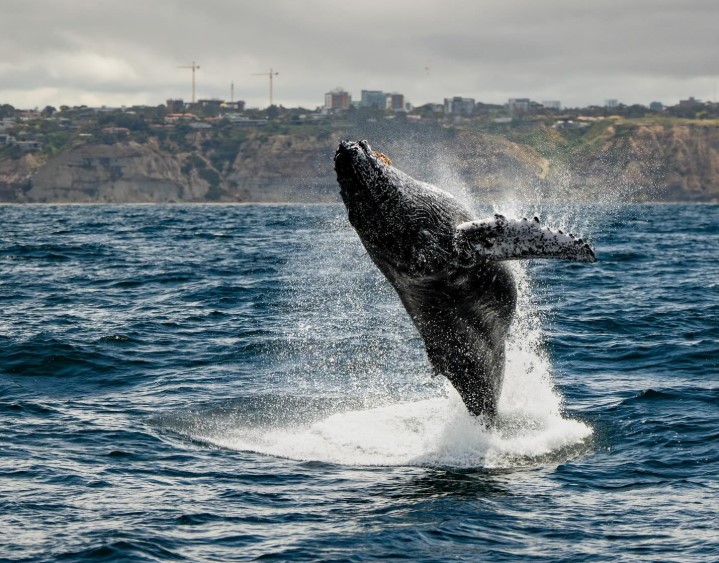
Close encounters happen when whales surface near tour boats
Close encounters feel impossible until they happen. A gray whale surfaces 50 feet from your boat. You see its eye. The barnacles on its skin. The parasites hanging off. It's the least cute, most incredible thing. You realize these aren't cartoon whales. They're massive, scarred, ancient-looking creatures that have swam across oceans.
- Sunscreen (even cloudy days, water reflection is brutal)
- Jacket (water's cold, wind on the water is colder)
- Ginger or seasickness meds if prone to motion sickness
- Lots of water to drink
- Waterproof bag for your phone (ocean spray happens)
Tours last 2-8 hours. You're on water the whole time. Bring sunscreen (even cloudy days, the sun reflects brutal off water). Bring a jacket (water's cold, wind on the water is colder). Ginger or seasickness meds if you're prone to motion sickness. Lots of water to drink. An actual waterproof bag for your phone because ocean spray happens.
The Timing Question Everyone Asks
"When should I actually go?"
December: Fewer crowds, lower prices, good sightings, less guaranteed than Jan-Feb. Perfect if you're not trying to guarantee a whale sighting and you want a chill experience.
January-February: Peak season. 90%+ guarantee rates on tours. More crowds, higher prices, but almost certainly seeing whales. This is the "I'm paying for certainty" window.
March-April: Late migration, still good sightings, prices dropping, crowds thinning. Underrated honestly.
May-August: Blue whale season. Different experience. Further out. Longer tours. But blue whales are worth it.
December specifically gets weird because holidays + migration season. Parking fills up. Tours book solid. But if you can make it work? December has magic.
Real Talk About Whale Watching vs. Dolphin Watching
Both are incredible. Both should be on your list. But they're different experiences.
Whale watching is profound. You're watching an ancient migration. These creatures are doing the same journey they've done for thousands of years. There's something spiritual about it. You stand there watching a 40-ton animal breach and your brain kind of breaks for a second.
Dolphin watching is joyful. They're playing. They're curious. They're showing off. It's lighter energy. Kids lose their minds (the good kind).
If you only have time for one, whale watching in migration season (Dec-Feb) beats everything else. That's peak experience. But dolphins hitting your boat and spinning? That's pure happiness, and it's free basically year-round.
The Real Truth About Sighting Guarantees
Some tour companies offer "guaranteed sightings or your money back." Gone Whale Watching does this for extended tours. Flagship offers it sometimes. Sounds great until you read the fine print.
"Whale" is generic. Could be a tiny fin whale you barely see. "Dolphin" counts. That's the loophole. You'll see something, even if it's not the 40-ton breaching gray whale you imagined.
That said, for December-February gray whale season specifically? The guarantee is real. Sighting rates genuinely are 90%+. You're almost definitely seeing whales during peak migration.
San Diego Whale Watching = The Experience You've Been Thinking About
Here's the truth: you've been thinking about whale watching. Maybe for years. You see it on documentaries, you imagine what it would be like, and you put it off because "someday."
Stop putting it off.
San Diego is literally the easiest place in America to see whales. You can do it free from shore. You can do it cheap on a tour ($35 gets you on a boat with dolphins guaranteed). You can do it fancy on a private charter. But you can do it. It's accessible.
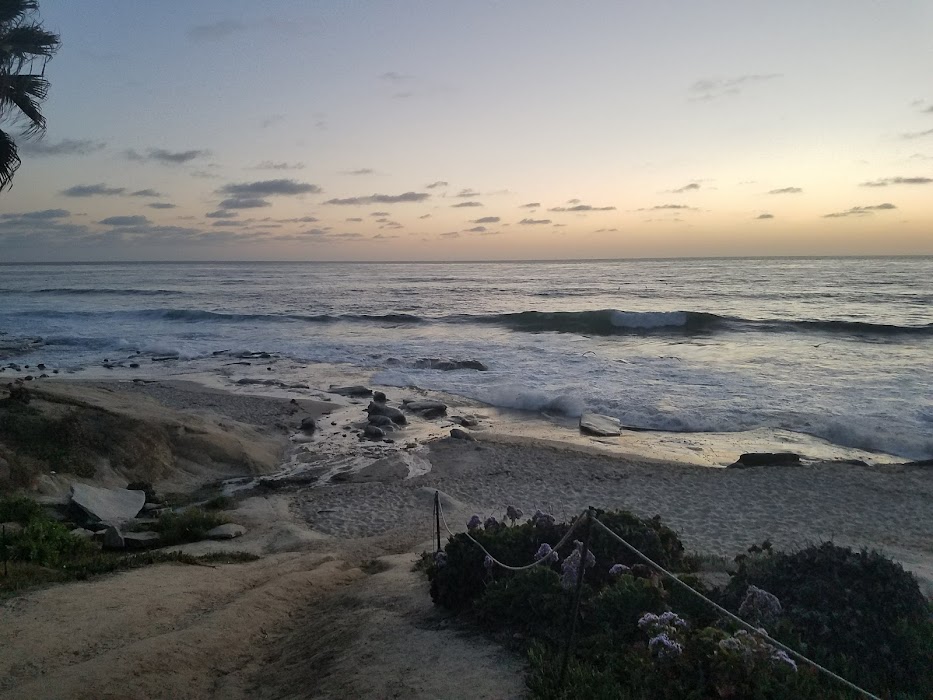
San Diego's unique coastal geography makes it one of America's best whale watching destinations
And once you see your first whale? The way it surfaces like it's breaking through from another world? The size of it? The intelligence behind its eye? It changes something. You get it then. You understand why people care about ocean conservation. You understand why these creatures matter.
Book something. December tour, April tour, June blue whale tour—whatever works. Go see the whales.
You'll be thinking about it for years. But in the good way.
Quick Reference: San Diego Whale Watching Essentials
- 12,000 mile migration
- Peak months: January-February
- Sighting rate: 90%+ on tours
- Tour cost: $35-$75 (2-3 hours)
- Best free spot: Cabrillo National Monument
- Feeding season offshore
- Peak months: June-July
- Tour cost: $190-$325 (5-8 hours)
- How to spot: Massive 40+ foot spout
- Largest animals on Earth
- Best behavior: Breaching, tail slapping
- Tour cost: $45-$75
- Instagram moment: Watch them jump
- Most acrobatic species
- Often seen with blue whales
- 100+ local permanent pods
- Sighting rate: 95%+ on any tour
- Behavior: Chase boats, breach, play
- Kids absolutely love them
- Common & bottlenose species
- Cabrillo National Monument ($20 parking)
- Torrey Pines State Reserve (free)
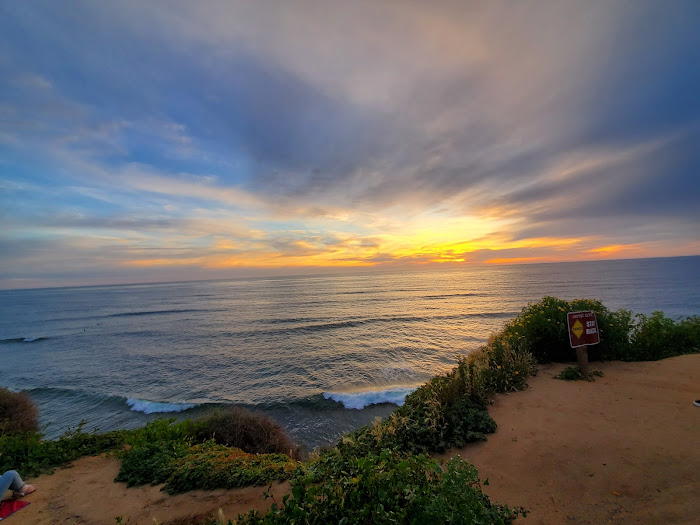
- Sunset Cliffs Natural Park (free)
- Shelter Island (free)
- La Jolla Cove areas (metered)
- Flagship Cruises (big boats, families)
- San Diego Whale Watch (naturalists)
- Gone Whale Watching (best rates)
- Next Level Sailing (small groups)
- All offer sighting guarantees
🐋 Ready to experience San Diego whale watching? Book your tour today and witness one of nature's greatest migrations firsthand.